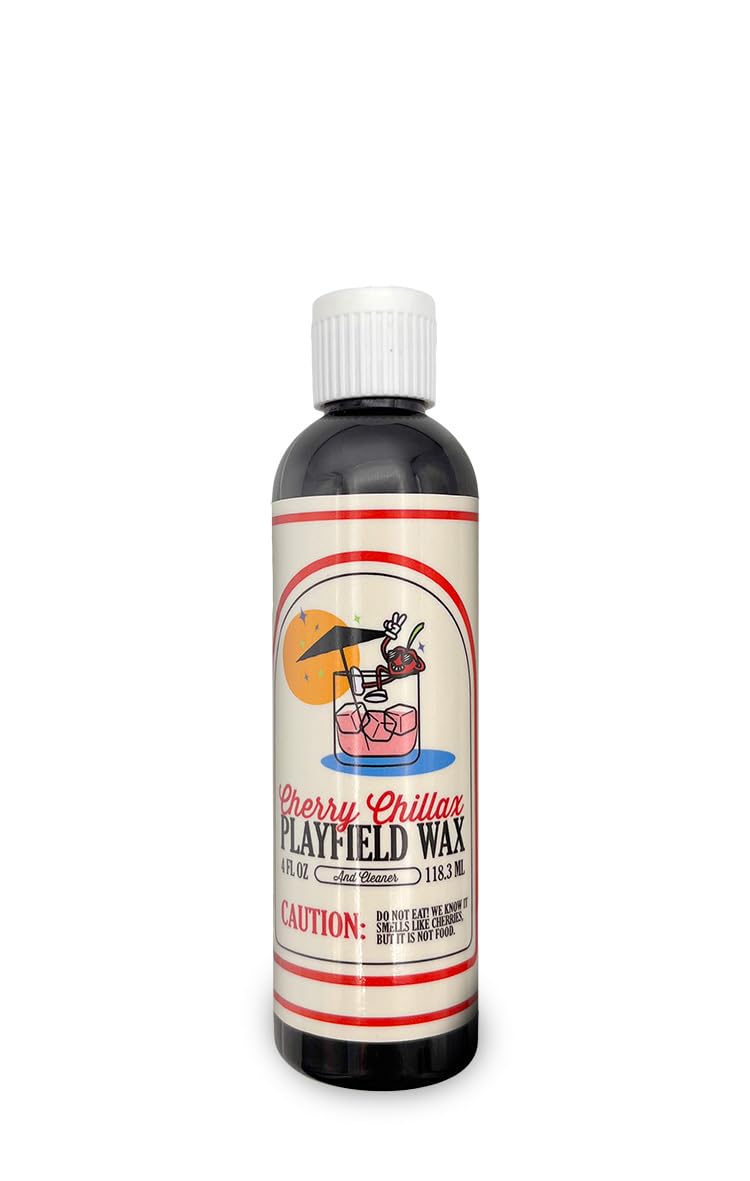
If you’ve ever watched a pinball — that small, chrome-plated steel ball — slow to a crawl mid-playfield on a machine you know should be playing fast, you’ve felt the frustration this article is designed to fix. The playfield is the painted, lit surface the ball rolls across; it’s the single most important surface in a pinball machine and the one most affected by neglect. Over time, skin oils transferred through worn balls, airborne dust, and simple oxidation (a chemical process where surfaces degrade on contact with air) all combine to create invisible drag that costs you shots, drains, and ultimately resale value. The good news: keeping a playfield in peak condition isn’t complicated, and the product decisions break down cleanly once you know the tradeoffs. This guide covers what to clean with, what to protect with, what to skip, and how to sequence it all — with the math to justify the spend.
Why Playfield Surface Condition Matters More Than You Think
Here’s the frame most intermediate collectors miss: playfield maintenance isn’t cosmetic. It’s mechanical.
A freshly waxed playfield running a well-polished ball will play noticeably faster — meaning the ball retains momentum through longer playfield runs — and your shot geometry becomes more consistent. On a title like Stern’s Deadpool Pro or a Chicago Gaming Medieval Madness Remake, where multiball locks and ramp shots depend on precise ball speed, a dirty or dry playfield introduces variance that no amount of rules knowledge compensates for.
The second consideration is financial. Playfield wear — the gradual loss of the clear protective coating (called clearcoat) over the painted artwork — is irreversible without a full restoration, which can run $800–$2,500 in parts and labor on a used Williams or Bally solid-state machine. Preventative maintenance that costs $40–$80 per year is among the highest-ROI activities in machine ownership. Tilt Forums’ wax and cleaning megathread, one of the most cited community references on this topic, consistently surfaces owner reports that machines with documented maintenance histories command a $200–$500 premium at private sale over equivalent unserviced units.
By the numbers:
- Estimated cost of annual playfield maintenance kit: $35–$75
- Cost of professional playfield restoration on a 1990s Williams title (2026 pricing): $800–$2,500
- Resale premium for documented maintenance history, per aggregated Tilt Forums reports: $200–$500
- Recommended full cleaning interval for home use (1–4 hours/week play): every 3–4 months
The Cleaner Decision: What to Use and What Destroys Clearcoat
The most consequential decision in your kit is the cleaner — because the wrong one dissolves the clearcoat protecting the artwork underneath.
What owners consistently report works: Novus Plastic Polish No. 1 (a light cleaner formulated for plastic surfaces) is the most referenced product in the Tilt Forums megathread for playfield cleaning, with hundreds of owner accounts citing it as safe on modern clearcoated playfields and effective at lifting the grime and ball-track residue (the dark circular lines worn into the playfield by repeated ball passes) without abrading the clear layer. Novus No. 1 is a fine polish, not a solvent — an important distinction, because solvent-based cleaners can soften or cloud clearcoat.
The automotive detailer crossover: Popular Mechanics’ guide to automotive wax types and applications notes that products designed for modern automotive clearcoats share similar chemistry requirements with pinball playfields — both are urethane-based clear layers over painted substrates. This makes certain automotive-grade paint cleaners (specifically those labeled “clearcoat-safe” and non-abrasive) compatible options in the field. Owners on Tilt Forums report success with Meguiar’s PlasX and similar plastic-safe formulations, particularly on older machines where the original clearcoat is thin or already showing micro-scratches.
What to avoid, categorically:
- Windex or any ammonia-based glass cleaner — ammonia attacks clearcoat and plastics
- Goo Gone or any citrus-solvent product — will cloud clearcoat on contact
- Magic Eraser (melamine foam) — micro-abrasive, will dull gloss clearcoat
- WD-40 — leaves an oily residue that attracts grit and interferes with wax adhesion
Stern Pinball’s owner’s manual series for Spike-2 platform machines explicitly warns against ammonia-based cleaners on playfields and plastics, recommending mild soap-and-water solutions only for spot cleaning of non-clearcoated surfaces like legs and side rails.
Practical sequencing: Clean before you wax — always. Applying wax over grime traps contaminants under the protective layer and creates micro-scratches on the next application cycle. Use a microfiber cloth (not paper towels, which are wood-fiber abrasives at the micro level) in gentle circular motions, and let the cleaner fully evaporate before moving to wax.
The Wax Decision: Carnuba vs. Polymer, and the Playfield-Specific Case
Once the playfield is clean, the wax is your protective and speed layer. The debate in the community breaks into two camps: carnauba wax (a natural wax derived from Brazilian palm leaves, long used in automotive detailing) versus polymer/synthetic wax (a lab-created protective compound).
Carnauba: The traditional choice for pinball. Owners consistently report that a quality paste carnauba wax — applied in a thin, even coat and buffed to a high gloss — produces the fastest-feeling playfield surface because of the low coefficient of friction (meaning the ball encounters less resistance rolling across it). Pinnacle Souveran Paste Wax and Collinite 845 Insulator Wax are the two products that surface most frequently in aggregated Tilt Forums discussions as community-consensus picks for home machines. Both are automotive-grade carnauba formulations with no abrasives listed on their ingredient panels.
The tradeoff with carnauba is longevity: under regular play, a carnauba coat typically degrades within 2–4 months, especially on high-traffic ball paths. For a route or commercial machine seeing 30+ hours of play per week, that reapplication cadence can become burdensome.
Polymer wax: Synthetic polymer sealants bond more durably to clearcoat at the molecular level and typically last 6–12 months under equivalent play conditions. The downside owners report is a marginally less “slick” feel compared to a fresh carnauba coat — though the difference diminishes as the carnauba coat ages and the polymer coat remains consistent. For a route operator or arcade venue owner evaluating maintenance labor cost alongside product cost, the polymer’s durability math usually wins: fewer applications per year at comparable product cost equals lower total maintenance burden.
The hybrid option: Several mid-range detailing products combine carnauba and polymer chemistries. Meguiar’s Ultimate Paste Wax is a commonly cited example — owners report a durable bond closer to polymer with an initial gloss closer to carnauba. It’s a reasonable compromise for the home collector who wants less frequent reapplication without fully sacrificing that fresh-wax speed feel.
Application notes that matter: Apply wax only to the bare playfield surface — mask or carefully avoid rubber rings (the elastic bands around posts that the ball rebounds from), plastics, and metal inserts with tape or a small applicator. Wax on rubber accelerates rubber degradation. Wax on plastics creates a haze that’s difficult to remove without Novus No. 2 (a heavier-cut plastic polish). Apply thin — a dime-sized amount covers a standard 20”×42” playfield. Buff immediately with a clean microfiber; don’t let it haze for more than five minutes or it binds to the clearcoat and requires more effort to remove.
Ball Maintenance and Protective Accessories: The Gear Operators Actually Use
A waxed playfield degrades faster when the steel balls running across it are oxidized (surface-rusted), pitted, or carrying grit. Ball maintenance is the second pillar of a complete kit.
Ball polishing: Novus No. 1 applied to a cloth and worked across a ball for 30 seconds removes surface oxidation and micro-scratches that would otherwise act like sandpaper on your freshly waxed playfield. Tilt Forums operators running route machines report replacing balls on a 90-day cycle in high-traffic locations; home owners report 12–18 months before visible surface degradation, depending on storage conditions.
Playfield protectors: A category worth addressing directly, because community opinion is split. Playfield protectors — thin, optically clear plastic sheets that lay over the playfield surface — are marketed as a wear-prevention layer. The practical reality, per aggregated owner reports on Tilt Forums and Pinball News feature coverage, is mixed: protectors work well for machines with known clearcoat fragility (certain 1990s Williams and Bally titles had thinner factory clearcoat and are prone to wear) but introduce their own problems — ball rattle on seams, potential for moisture trapping underneath, and the challenge of cutting around inserts and posts cleanly. The consensus among intermediate collectors in 2026 leans toward protectors as a targeted intervention for at-risk titles rather than a universal recommendation. If you’re running a Theatre of Magic or Addams Family original — both Williams titles with documented clearcoat wear patterns catalogued on ipdb.org — a protector is worth the installation effort. On a modern Stern Spike-2 machine with thick factory clearcoat, most owners skip it.
Microfiber towels: Worth buying purpose-designated cloths for playfield work and never using them for anything else. Cross-contamination from household cleaning products is a common source of clearcoat clouding that gets misattributed to the wax product. A pack of 10–12 dedicated microfiber cloths, machine-washed without fabric softener (which coats the fibers and reduces absorption), covers a year of maintenance at low cost.
Decision Rule: Matching Your Kit to Your Situation
If you’re maintaining one or two home machines with moderate play (1–4 hours per week per machine), the carnauba route is the right starting point: Novus No. 1 for cleaning, a quality paste carnauba like Collinite 845 for protection, fresh balls every 12–18 months, and dedicated microfiber cloths kept separate from the rest of your shop. Total kit cost in 2026 runs $40–$65, and the maintenance cadence — once every 3–4 months — fits naturally into a game room routine.
If you’re running three or more machines, a route, or a commercial venue, the polymer or hybrid wax earns its place: the extended durability window reduces your labor cost per machine per year meaningfully, and the consistency of a polymer coat holds up better under the temperature and humidity swings of a location environment.
If you own a premium or investment-grade machine — a Jersey Jack Guns N’ Roses Limited Edition, a Spooky boutique title, or a high-value classic restore — treat the playfield as you’d treat a fine instrument finish. Stick strictly to products with established no-abrasive formulations, apply conservatively, and document your maintenance dates and products in writing. That documentation becomes a tangible value asset at resale, and per Pinball News’ maintenance feature coverage, it’s one of the easiest differentiators sellers of premium machines can offer a serious buyer.
The fastest playfield in your game room isn’t an accident. It’s a $60 kit and a quarterly habit.