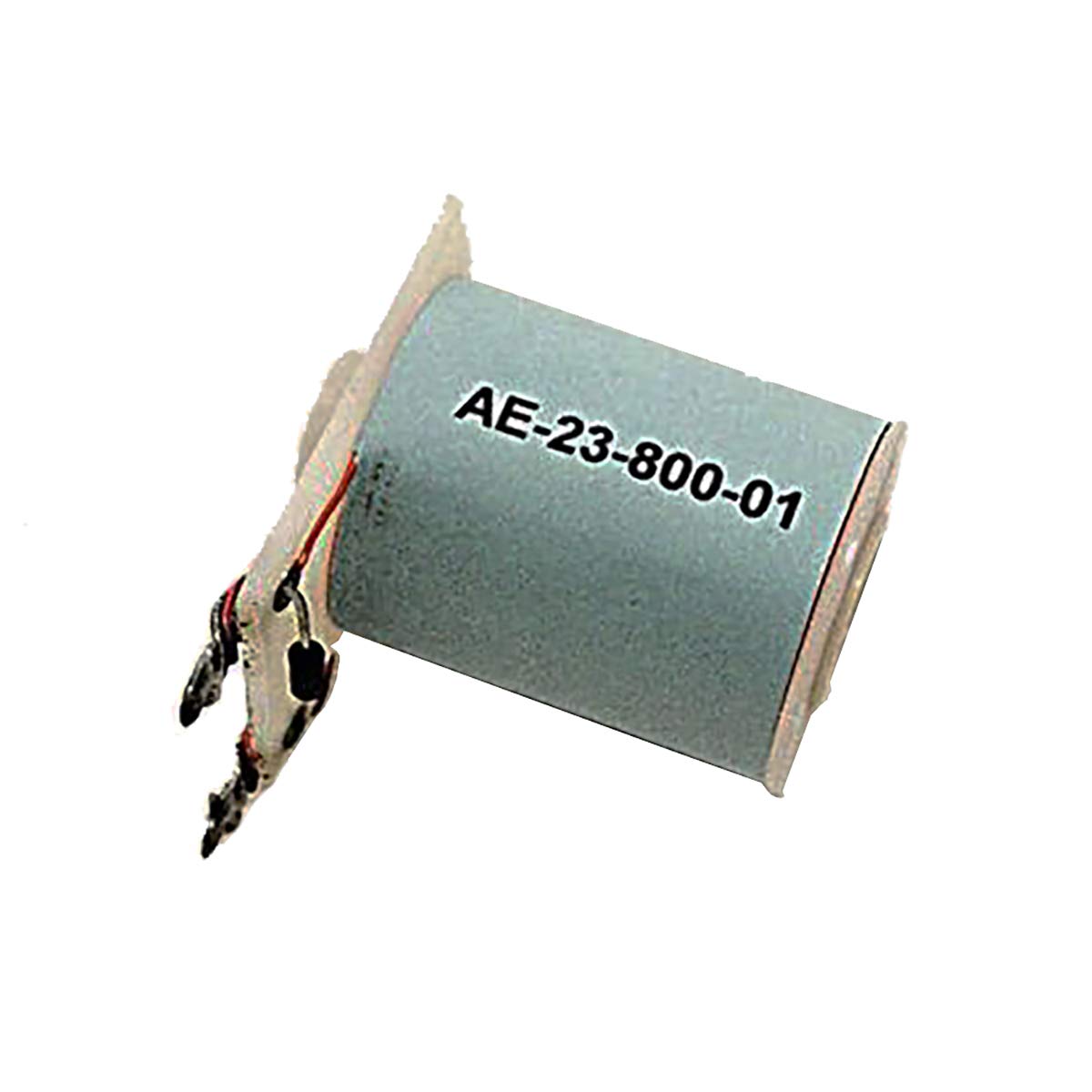
If you’ve ever watched a pinball machine’s flipper get sluggish — the ball crawls up the playfield instead of launching hard — you’ve already met the core subject of this guide. Pinball machines move every ball using solenoids, which are simply electromagnetic coils that fire when electricity passes through them, snapping a plunger forward to hit a flipper, pop bumper, or kicker target. When those coils wear out, burn, or lose their connection to the game’s circuit board, gameplay degrades fast. This guide covers the electrical repair parts every intermediate collector should understand: coils, connectors, diodes, fuses, and the wiring accessories that tie it all together. By the end, you’ll know what to stock, where to buy, and how to avoid the most expensive beginner mistakes — so you can make confident decisions whether you’re repairing a worn Williams classic or keeping a Stern Spike-2 machine running reliably for years.
Understanding the Core Components Before You Buy
Before you spend anything, it helps to know what each part actually does and where failures typically originate. The Stern Pinball service documentation portal breaks these down clearly, and the pattern holds across most solid-state machines from the Williams/Bally era through today’s Stern and Chicago Gaming titles.
Coils are the muscle of the machine. Each coil has two ratings: a power winding (high-current, brief pulse that does the actual work) and a hold winding (low-current, keeps things like flippers engaged). Both are printed on the coil sleeve. The IPDB’s individual machine specification records list original coil part numbers for most titles — this is your first stop when identifying a replacement, because substituting the wrong coil strength can burn a transistor or damage a playfield mechanism.
Diodes protect the coil circuit. Every coil on a solid-state machine has a diode across it to suppress the voltage spike when the coil de-energizes. A missing or reversed diode will kill transistors on the driver board — often an expensive cascade failure. Diodes are cheap (under a dollar each) and should be replaced whenever you replace a coil.
Connectors are where most intermittent problems actually live. Pinball machines use Molex-style .156-inch and .062-inch pitch connectors throughout the playfield, backbox, and cabinet. Connector pins oxidize, spread, and crack over decades. Tilt Forums archives on vendor and repair discussions note consistently that connector failures are the leading cause of misdiagnosed “coil problems” — the coil is fine; the connector is delivering intermittent current.
Fuses are your circuit’s last line of defense. General illumination (GI) fuses, solenoid fuses, and logic fuses each protect different subsystems. Knowing which fuse controls which circuit saves hours of troubleshooting.
Transistors (specifically, TO-220 package power transistors like the TIP102 or MJE15030 series) sit on the driver board and switch coils on and off. These fail when coils are stuck on, diodes are missing, or connectors arc. They’re inexpensive but require desoldering and basic board work to replace.
Where to Buy: Vendor Landscape as of Mid-2026
The pinball parts market is smaller and more specialized than most hobbyists expect coming in. Knowing the vendor landscape saves you from paying boutique markups on commodity items or, worse, waiting three weeks for a part available same-day elsewhere.
Pinball Life and Marco Specialties remain the two largest full-catalog vendors for solid-state era parts. Both stock OEM Stern parts, coil replacements from manufacturers like Gottlieb and Williams original supplier lines, connector kits, and board components. Owners consistently report that Marco’s coil inventory for older Williams and Bally titles (1975–1999) is deeper than most competitors, while Pinball Life tends to carry broader Stern Spike and Spike-2 era consumables.
PBL (Pinball Life) ships fast and their connector assortment kits — pre-loaded with the most common .156-inch and .062-inch pins and housings — are a practical buy for any collector running more than two machines. A single connector kit covering the most common Williams/Bally/Stern pitches runs roughly $35–$60 depending on count, and it’ll pull you out of a same-day repair situation that would otherwise require a two-day wait.
Stern’s own parts portal (stern-pinball.com) stocks OEM replacement coils, harness assemblies, and node board components for Spike and Spike-2 platforms. For machines still under any form of warranty or for premium LE builds where an OEM match matters for resale documentation, ordering direct is worth the slight premium. Chicago Gaming Company’s service documentation and parts availability for the Medieval Madness Remake and Cactus Canyon Remake follow a similar logic — CGC-sourced boards and harnesses preserve the collector-grade provenance that affects resale.
Mouser Electronics and Digi-Key are the right answer for commodity electronics: diodes (1N4004 and 1N4007 for coil protection), fuses, transistors, resistors, and wire. Buying a 100-pack of 1N4007 diodes from a distributor costs roughly $3–$5 versus $0.50–$1.00 per diode at a pinball-specialty vendor. If you’re doing any volume of repairs, sourcing your passive components from electronics distributors is straightforward math.
By the Numbers
| Part | Pinball Vendor Price (each) | Electronics Distributor (bulk) | Recommended Source |
|---|---|---|---|
| Coil (Williams/Bally OEM-equiv.) | $8–$18 | N/A | Pinball specialty vendor |
| 1N4007 diode | $0.50–$1.00 | ~$0.04 (100-pack) | Mouser / Digi-Key |
| .156” connector kit (50-pin assort.) | $35–$55 | N/A | Pinball Life or Marco |
| TIP102 transistor | $1.50–$3.00 | ~$0.40–$0.80 | Electronics distributor |
| 5A Slo-Blo fuse (per) | $0.75–$1.25 | $0.15–$0.25 (10-pack) | Either; bulk is better |
Platform-Specific Considerations: Solid-State Classics vs. Spike-2 Era
Your repair strategy should shift meaningfully depending on which platform you’re working on. The electrical architecture is genuinely different, and the parts ecosystem reflects that.
Williams/Bally solid-state (1977–1999) machines — the System 11, WPC, and WPC-95 platforms — use through-hole driver boards with discrete transistors, hand-wired harnesses, and Molex .156-inch connectors throughout. These machines are fully documented in community resources; Tilt Forums hosts extensive coil reference threads cross-referencing part numbers across titles. Coil substitutions are well-understood: the community has mapped compatible replacements where OEM parts are discontinued. The main purchasing decision is whether to rebuild an existing driver board (replacing transistors, capacitors, and diodes in place) or buy a repopulated aftermarket board. For a machine you’re keeping long-term, board rebuilds using fresh components from electronics distributors often outperform 30-year-old repops — the math favors doing it once correctly.
Stern Spike and Spike-2 platforms (2015–present) use a distributed node board architecture. Instead of one central driver board, each major playfield section has its own node board communicating over a CAN bus network. The Pinball News technical overview of Stern’s Spike-2 platform explains this clearly: individual node boards handle coil firing locally, which means a coil problem on a Spike-2 machine could be the coil itself, the node board, or the communication harness. Diagnostic approach changes accordingly. OEM node boards run $80–$180 depending on type, which makes correct diagnosis before replacement important. Buying the wrong node board is a frustrating and avoidable loss.
Chicago Gaming Remakes split the difference — they use modern electronics in cabinets and playfields that reference original Williams/Bally designs, but with updated driver architecture. CGC’s own service documentation clarifies which replacement parts are CGC-specific versus industry-standard, and that document is worth pulling before ordering anything for a Medieval Madness or Cactus Canyon Remake.
Building a Practical Parts Stock
If you’re running two to five machines in a home game room or on a small route, a staged parts stock pays back fast. The goal isn’t to stock everything — it’s to stock the components that cause the most downtime when you don’t have them on hand.
Tier 1 — Stock these before you need them:
- A coil assortment covering the most common flipper coils for your specific machines (pull the coil numbers from IPDB before ordering)
- A connector kit with .156-inch and .062-inch pins, housings, and a proper extraction tool — the extraction tool matters; trying to remove pins without one destroys connectors
- 1N4007 diodes, 100-pack minimum
- 5A and 3A Slo-Blo fuses in quantity
- A set of the power transistors used on your driver boards (TIP102 is common on WPC, but verify your specific board)
Tier 2 — Buy on-demand, but know your lead time:
- Node boards for Spike/Spike-2 machines (too expensive to stock speculatively per title)
- Machine-specific ramps, assemblies, or solenoid plunger kits
- Opto transmitter/receiver pairs (common failure on Spike-2; two to three day lead from Stern or Pinball Life)
Tools you need to make parts useful: A DMM (digital multimeter) with a diode test mode is non-negotiable. A good soldering iron rated 40W–60W with temperature control, flux, and quality solder handles board work. A proper Molex extraction tool (sometimes sold as a “pin removal tool” in connector kits) prevents connector damage during diagnosis.
The Decision Rule
The tradeoff in electrical parts buying comes down to three variables: urgency, volume, and platform.
If you’re running one or two classic Williams/Bally machines as a collector: Source coils from Marco or Pinball Life matched to your specific title’s IPDB coil specs. Buy diodes, transistors, and fuses in bulk from Mouser or Digi-Key — the per-unit savings compound fast over time. Invest in a connector kit and extraction tools up front; connector neglect is the most expensive form of deferred maintenance in older machines.
If you’re running Stern Spike-2 titles: Prioritize correct diagnosis before buying any board. A $150 node board purchased on a guess is a poor trade against thirty minutes with a DMM and Stern’s service documentation. When you do need OEM boards, order direct from Stern or through an authorized distributor to maintain documentation that supports resale value on premium titles.
If you’re operating multiple machines commercially: The math shifts toward stocking coil and connector inventory per platform across your route, accepting slightly higher carrying cost in exchange for same-day repair capability. Route downtime is a direct revenue loss; the parts-on-hand calculus is different from a hobbyist collector’s.
The clearest if/then: if the machine runs Williams/Bally WPC hardware, stock coils and connectors proactively and source passives from electronics distributors; if it’s Stern Spike-2, invest in diagnostic competence before parts inventory. One approach prevents failures; the other prevents misdiagnosis — and misdiagnosis on modern platforms is where the real money gets wasted.